Blog
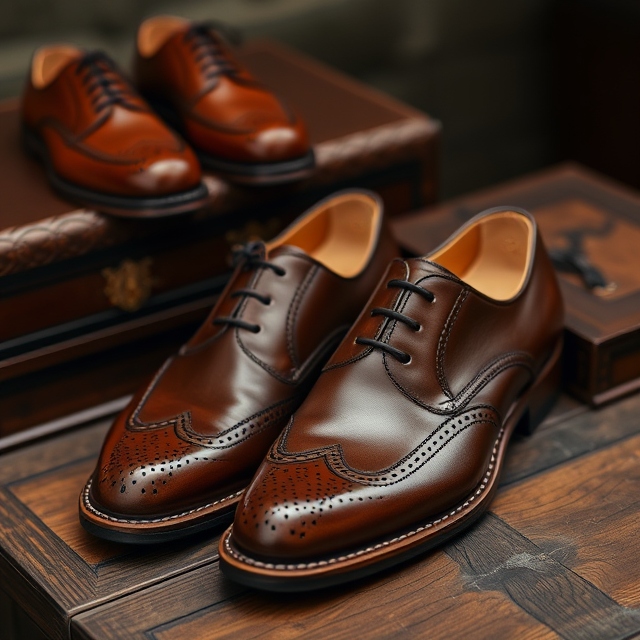
From Leather to Luxury: The Craftsmanship Behind a Pellwalk Product

Article Category: Leather Craftsmanship & Brand Stories
A premium leather product does not begin with a finished shoe, bag or belt.
It begins with an idea.
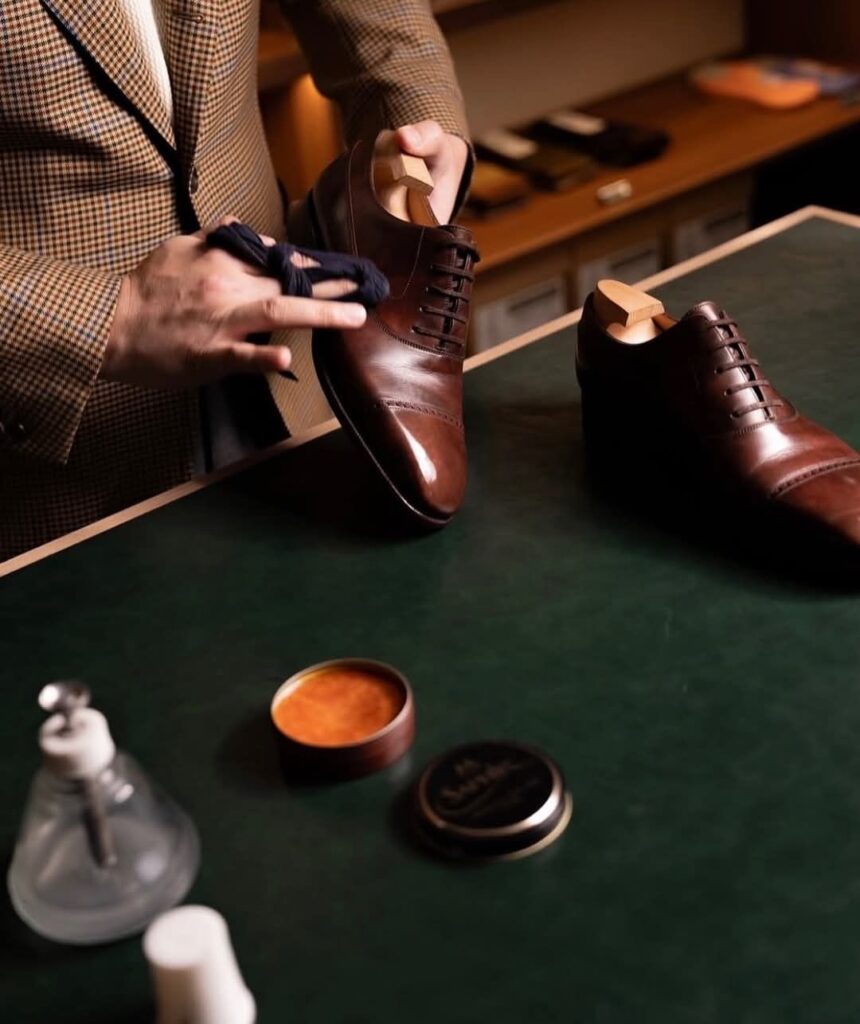
Before a leather article becomes part of someone’s wardrobe, it passes through a series of design and craftsmanship decisions—from selecting the material and developing the shape to cutting, stitching, finishing and inspecting the final product.
At Pellwalk, we believe these details are what transform a material into an article with character.
Where Every Design Begins
Every Pellwalk product starts with a simple question:
How can timeless leather craftsmanship be adapted to modern life?
The answer influences everything from the silhouette and proportions to the functional details.
A formal shoe needs a refined profile. A laptop bag needs thoughtful organization. A leather belt needs dependable construction. A travel bag needs practical capacity without losing its sense of style.
Design therefore has to balance beauty with purpose.
Selecting the Right Leather
Material selection is one of the most important stages of creating a leather product.
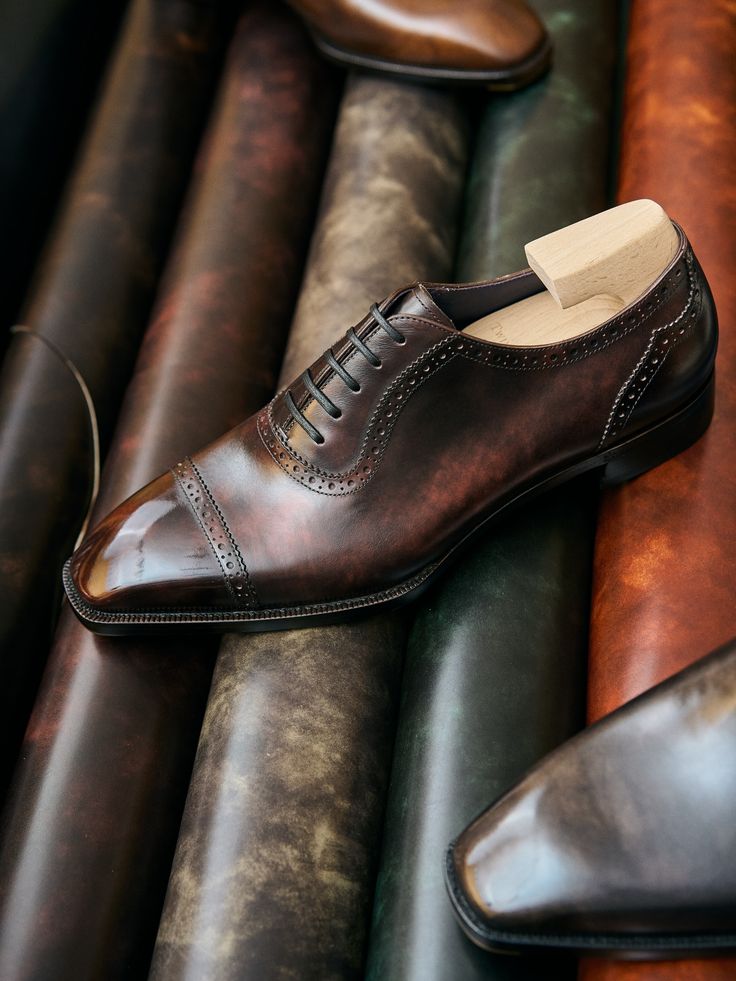
Leather can differ in grain, texture, thickness, flexibility, finish and appearance. These characteristics influence how the final article looks and performs.
Pellwalk draws inspiration from Italian leather craftsmanship, where appreciation for material character has long been connected with refined design.
Natural variations in leather can give individual products a distinctive appearance, making every finished article subtly different.
Turning an Idea Into a Shape
Once the design concept is established, it has to become something tangible.
Patterns and dimensions determine how individual pieces will fit together. Designers have to consider proportions, movement, comfort and functionality.
For footwear, this can involve carefully considering the shape of the upper, toe profile, sole and interior.
For bags, designers need to think about compartments, handles, straps, closures and capacity.
Every small decision contributes to the final experience.
Precision Cutting
Leather is not simply cut like an ordinary sheet of material.
The placement of individual pieces matters. The grain, texture and characteristics of the leather need to be considered during construction.
Precise cutting helps maintain consistency while allowing the material’s natural qualities to remain visible.
This stage requires attention because an error at the beginning can affect several later stages of production.
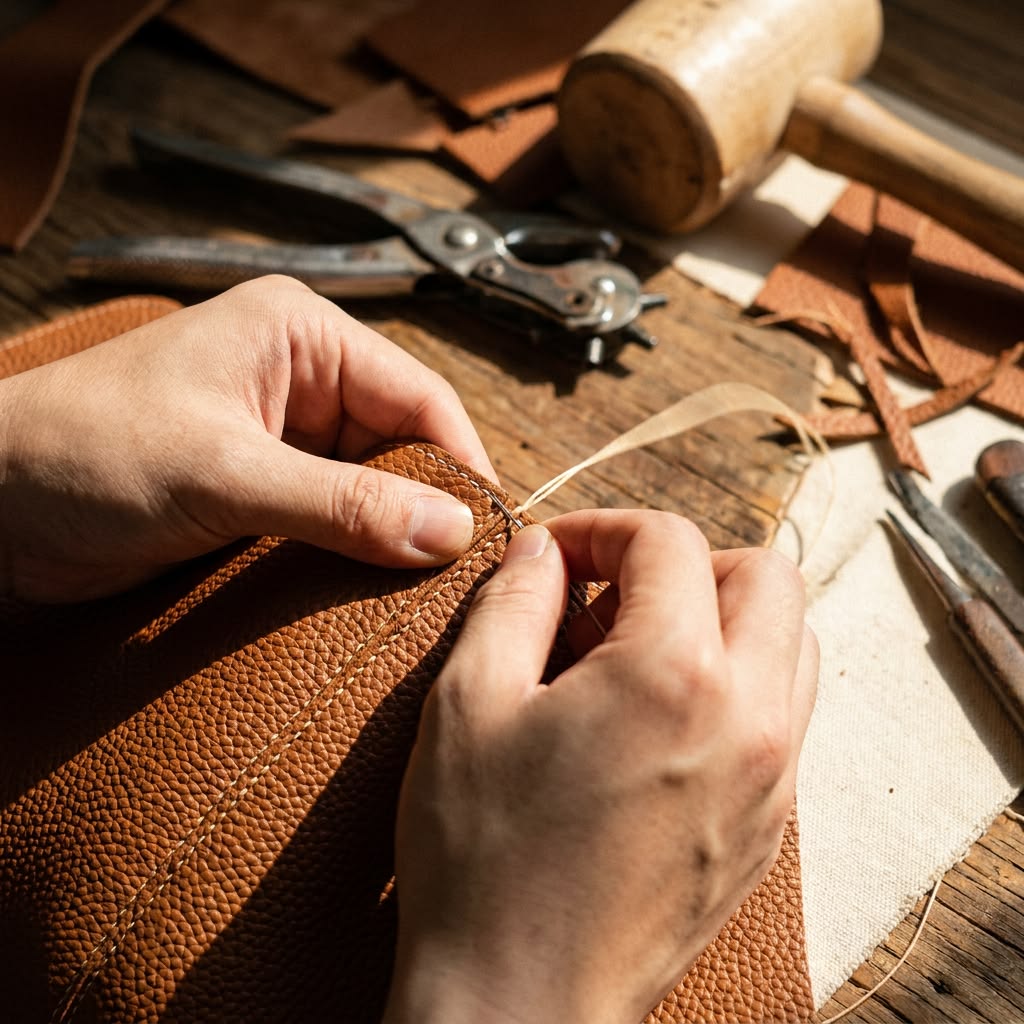
The Importance of Stitching
Stitching has both a functi